How to Choose a Desert Camel Safari That Suits Your Trip
Start with the kind of day you want
Before comparing options, decide what a good desert outing looks like for you. Some people want a short camel ride and a calm photo stop. Others want a longer afternoon with entertainment, dinner and a late return. The right choice depends less on the name of the outing and more on the pace, timing and comfort level you expect.
Think about your group as well. Children, older relatives, pregnant travellers and anyone with back, neck or knee problems may need shorter rides, flatter boarding areas and more time between activities. A safari that looks exciting on a brochure can feel tiring if the day is long and the seating is basic. Set your limits first, then match them to the itinerary.
Camel Desert Safari Dubai is a phrase many travellers use when searching for this kind of experience, but the useful comparison starts with practical details. Look at what happens from pickup to drop-off, how long the camel portion lasts, whether there are rest stops, and how much time is spent waiting in the sun. A clear plan makes the day easier to judge.
Check the route, timing and desert setting
The desert changes across the day. Morning light is softer and temperatures are usually more comfortable. Late afternoon brings warmer colours and cooler air, but it is also a popular time, so transfers and activity areas can feel busy. Evening tours often focus on dinner and shows, with the camel ride forming one part of the schedule.
Read the route description with care. Some outings use a conservation area or open desert scenery, while others centre on a camp with staged activities. Neither is automatically better. A camp can be convenient for families and anyone who wants facilities nearby. A quieter route may suit travellers who care more about wide views and fewer crowds.
Watch for vague wording such as "scenic desert drive" or "camel experience" with no detail. Those terms can hide long transfers, short rides or crowded stops. A useful listing should say when the ride happens, how long it lasts, what is included around it, and whether there is free time. If the schedule is vague, ask for the day in plain terms before committing.
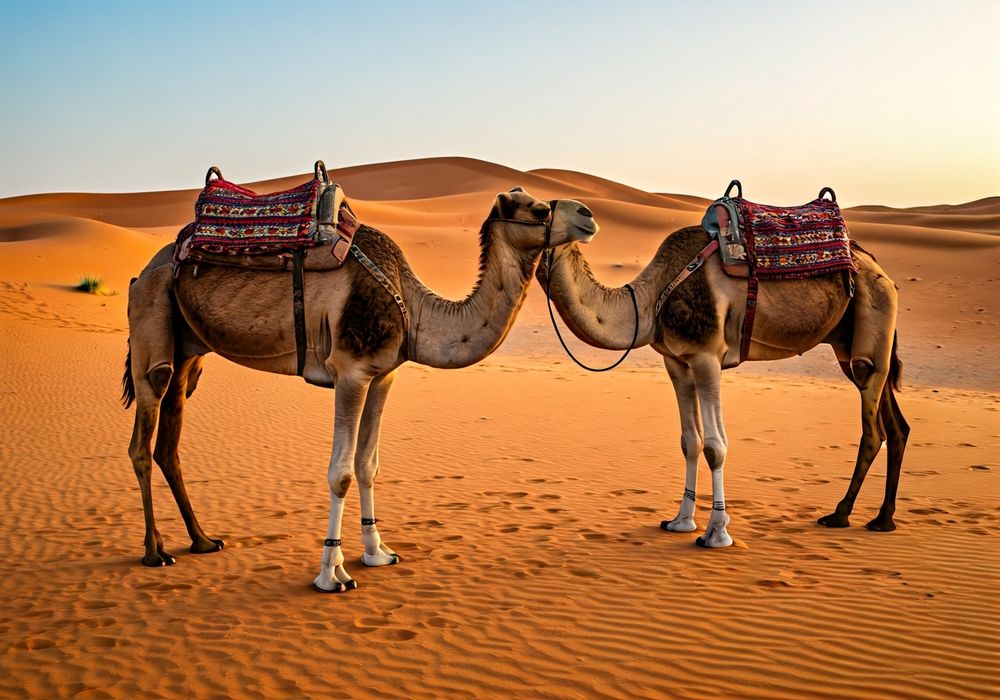
Pickup and drop-off also shape the experience. Confirm whether the starting point is your hotel, a meeting point or another area. Check the approximate travel time, because a long road journey can reduce the value of a short desert activity. If you are staying far from the departure point, a longer outing may make more sense than a quick one.
Look closely at the camel ride itself
The camel segment is the main reason many travellers book this type of trip, so do not treat it as a minor line in the itinerary. Find out whether the ride is a short loop, a staged photo ride or a longer trek. A loop can be enough for a first experience, especially when the weather is hot. A longer trek needs more preparation, including suitable clothing, water and realistic expectations about comfort.
Ask how boarding and dismounting are handled. Camels kneel and stand, which can feel sudden to a first-time rider. A responsible operator should give clear instructions, help riders settle and keep the pace steady. Watch for signs that safety is treated as an afterthought, such as rushed boarding, unclear commands or riders being pushed into positions they are uncomfortable with.
Comfort varies with the saddle and the route. Some saddles are designed for a sideways seated position, while others may use a different setup. If you have mobility concerns, say so before booking rather than hoping on the day. It is better to choose a shorter, supported ride than to struggle through a longer one.
Photographs are part of the appeal, but they should not take over the ride. Be wary of schedules that seem built mainly around staged stops. A good balance gives riders time to enjoy the animal, the landscape and the moment without constant posing.
Compare the full itinerary, not just the headline
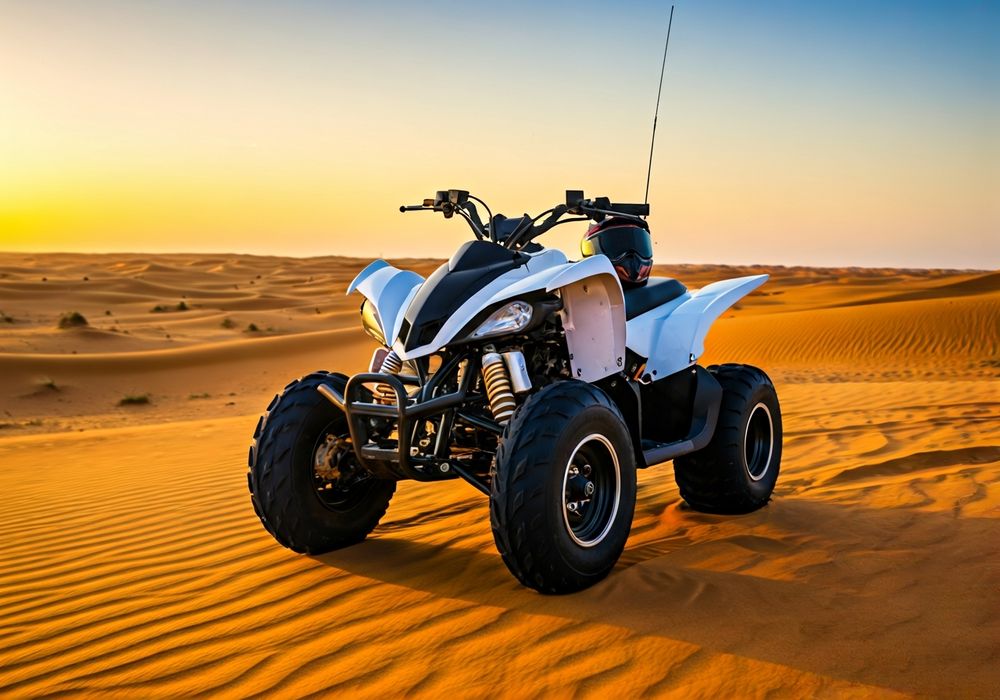
Many desert trips add extras such as sandboarding, quad bike zones, shows, buffet meals, henna painting or traditional dress photos. These can add value, but they can also crowd the day. Decide which extras matter to you and ignore the rest. A packed programme is not always a better programme.
If dinner is included, check what kind of meal is described and when it is served. Travellers with dietary needs should confirm suitable food in advance rather than relying on general assurances. If children are coming, look at whether the schedule has enough breaks and whether the evening finishes at a reasonable hour.
Entertainment can be lively, with music, lighting and performances. That may be exactly what some visitors want. Others prefer a quieter desert experience and may find a busy camp overwhelming. Think about noise, crowd size and seating arrangements before choosing. The best fit is the one that matches your idea of a pleasant evening, not the one with the longest list of activities.
When comparing Camel Desert Safari Dubai options, give more weight to the order of the day than to the number of attractions. A smooth route with a relaxed meal and a well-paced camel ride is often more enjoyable than a rushed schedule that tries to include everything.
Check comfort, clothing and practical needs
Desert conditions can be warm, dry and bright. Lightweight clothing that covers the shoulders and knees is usually more comfortable than very short outfits, especially for camel riding. Closed shoes or secure sandals are sensible, since feet can brush against saddles, sand and uneven ground. A hat and sunglasses help during bright periods, while a light layer can be useful later in the evening.
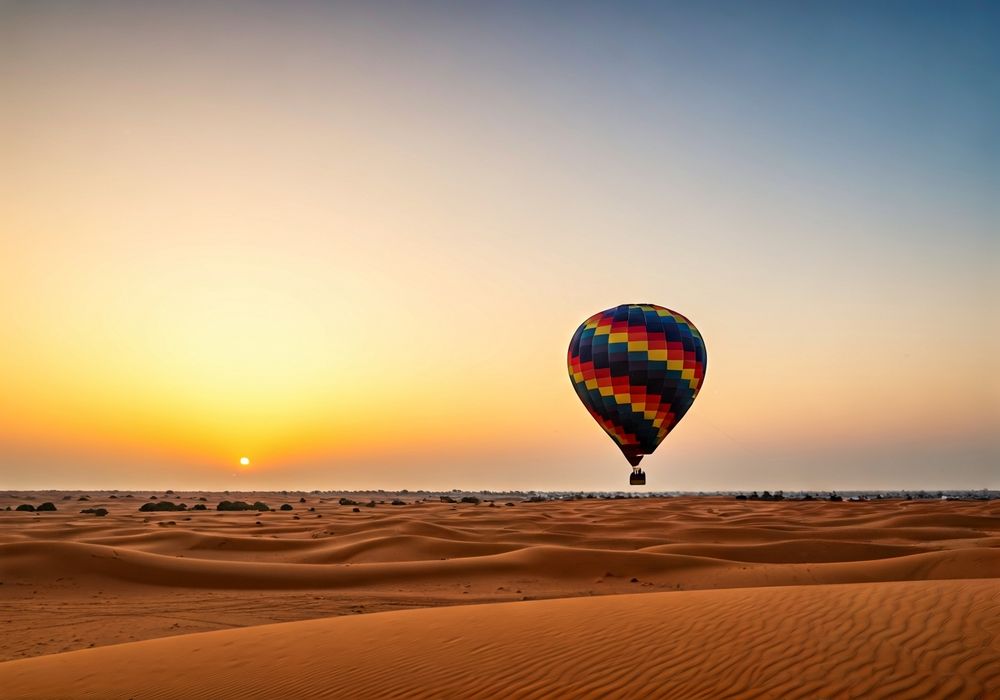
Water matters. Confirm whether drinking water is provided and whether there are places to refill. If you are taking medication, keep it accessible rather than buried in luggage. Sun protection should be planned before arrival, not after the first hot stretch.
For families, check age rules and whether children ride with an adult. Some operators set limits for very young children, and those limits exist for a reason. Do not assume that a child can join every part of the programme. If the answer is unclear, ask directly and get the reply before the day.
Photography gear needs a little thought too. Sand and fine dust can affect lenses and phones. Carry a simple protective pouch, and avoid changing lenses in windy areas. If you want photos during the ride, use a strap or wrist hold so the device cannot fall when the camel moves.
Read the booking terms before you pay
A low price can look appealing, but the details matter. Check exactly what is included, what is optional and what may be charged separately. Extras such as photos, ride extensions, drinks or equipment can change the overall cost. If a listing is unclear, request written confirmation before payment.
Look at cancellation and change rules. Travel plans shift, and a flexible option can matter more than a small difference in price. Check whether the booking is tied to a fixed date, whether rescheduling is allowed, and what happens if weather affects the day. Desert activities may be adjusted when conditions are poor, so clear terms are useful.
Insurance and liability are also worth understanding. Ask what cover applies, what is excluded and whether adventure activities are treated separately. Do not rely on assumptions. If an operator cannot explain the basics plainly, treat that as a practical warning sign.
Payment should feel secure. Use a method that gives a record of the transaction, and keep the confirmation with the itinerary. A professional booking should state the meeting details, included items and contact route without forcing you to chase basic information.
Ask a few direct questions before deciding
A short conversation can reveal more than a polished description. Keep questions specific and practical. The answers should be clear, consistent and given without pressure.
- How long is the camel ride, and what route does it follow?
- Who gives instructions before and during the ride?
- What happens if the weather changes on the day?
- Are meals, water and activities included or optional?
- What are the age, health and mobility limits?
Notice how the reply is framed. Good information helps you decide whether the trip suits you. Vague answers, constant upselling or pressure to pay immediately are reasons to pause. A camel outing should feel straightforward from the start, not confusing before you arrive.
It also helps to compare two or three options on the same terms. Put the ride length, total duration, included items, group size and departure details side by side. Once the basics are clear, the choice usually becomes simpler. Camel Desert Safari Dubai can then be considered as a proper trip decision rather than a quick search result.
Make the final choice with realistic expectations
A camel safari is not a luxury spa day or a theme park ride. It involves sand, sun, animals and a schedule that may shift with conditions. That does not make it less appealing. It means the best experience comes from choosing an option that respects those realities.
Choose the shorter ride if your priority is comfort, photography or a gentle introduction. Choose a longer outing if you want the camel segment to sit alongside dinner, entertainment and a fuller desert evening. Either choice can work when the itinerary matches your needs and the operator communicates clearly.
Before you confirm, reread the schedule and picture the day from start to finish. Ask whether you would be comfortable with the travel time, the pace, the group setting and the physical demands. If the answer is yes, the decision is likely sound. Camel Desert Safari Dubai is best approached with clear questions, sensible expectations and attention to the details that affect your comfort.